When you hear "interior design," you might picture a beautifully styled living room or a sleek, modern kitchen. And while residential spaces are indeed a cornerstone of the field, the realm of interior design stretches far beyond our homes. At The Eye Interior Designers, we believe that intentional design has the power to transform any environment where people live, work, heal, learn, and play.
Great interior design is not merely about aesthetics; it’s about problem-solving, enhancing functionality, influencing mood, and supporting the core purpose of a space. Here’s a look at the diverse and exciting worlds where interior design principles are powerfully applied.
1. The Workplace: Designing for Productivity & Culture
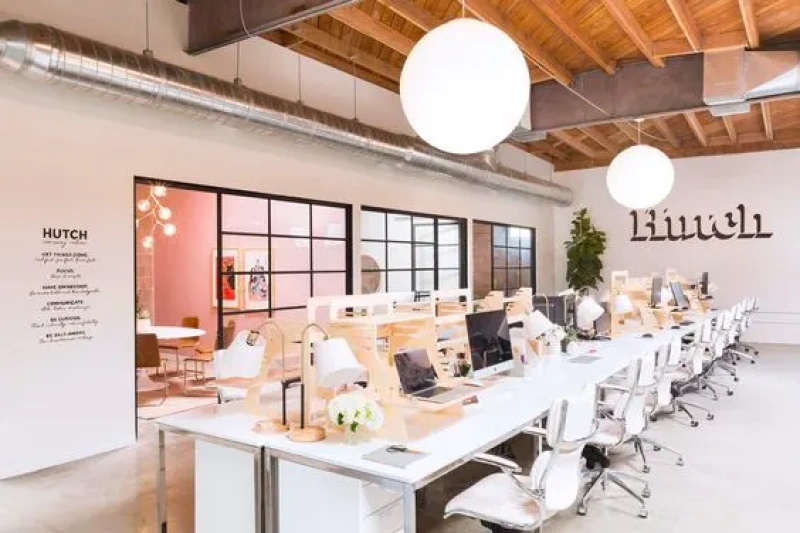
Office design has evolved from rows of cubicles to dynamic ecosystems. Today, designers create spaces that:
Foster Collaboration & Innovation: Open-plan areas, breakout zones, and casual meeting pods encourage interaction.
Support Focus: Quiet rooms, sound-proofed phone booths, and ergonomic private offices provide space for deep work.
Embody Brand Identity: From a startup's playful, energetic vibe to a law firm's sophisticated and trusted atmosphere, the workspace tells a company's story.
Promote Wellbeing: Biophilic design (incorporating plants and natural light), wellness rooms, and comfortable amenities are now essential for employee health.
2. Hospitality: Crafting Experiences & Escapes
Hotels, restaurants, bars, and resorts live and die by the experience they offer. Interior design is the silent narrator of that story.
Hotels: Design creates a journey—from an impressive, welcoming lobby to a serene, restorative guest room. It defines a brand, whether it’s boutique luxury, minimalist chic, or family-friendly fun.
Restaurants & Bars: Every design choice, from lighting and acoustics to furniture layout and color palette, influences how long guests stay, what they order, and how they feel. The goal is to create an unforgettable ambiance that complements the cuisine.
3. Healthcare & Wellness: Designing for Healing
This is where design becomes profoundly human-centric. Evidence-based design is used to:
Reduce Stress: Calming color schemes, access to natural light, and views of nature can lower patient anxiety and blood pressure.
Improve Navigation: Intuitive wayfinding helps reduce stress for patients and visitors in often-complex buildings.
Support Staff Efficiency: Well-designed nurse stations, workflow-optimized layouts, and hygienic material choices are critical for functionality and care.
Enhance Dignity: In spaces like spas, rehab centers, and senior living facilities, design promotes independence, comfort, and a sense of well-being.
4. Retail: The Art of the Sale
Retail design is a masterclass in behavioral psychology. It guides the customer journey to:
Build Brand Story: The interior is a 3D manifestation of the brand, creating an emotional connection.
Optimize Flow: Strategic layout directs traffic, maximizes product exposure, and leads to the checkout.
Create Engaging Experiences: From interactive displays to Instagram-worthy vignettes, design turns shopping from a task into an event.
5. Educational Spaces: Shaping Young Minds
Schools, universities, and libraries are being reimagined to support modern learning.
Flexible Classrooms: Movable furniture and adaptable spaces support collaborative projects, lectures, and individual study.
Inspiring Environments: Vibrant, creative, and organized spaces can boost engagement, curiosity, and concentration.
Community Hubs: Designing libraries and common areas as inviting, multi-use spaces encourages social learning and community.
6. Cultural & Civic Spaces: Elevating the Public Realm
Museums, galleries, theaters, and government buildings use design to communicate importance and function.
Museums & Galleries: Lighting, circulation, and spatial sequencing are carefully choreographed to showcase art and artifacts without overwhelming the visitor.
Libraries: Evolving into community centers, their design balances quiet study areas with collaborative tech hubs and public gathering spaces.
Public Buildings: Design can make these spaces feel more accessible, efficient, and dignified for the citizens they serve.
7. Specialized & Niche Applications
The list goes on: sleek yacht interiors, functional yet beautiful aircraft cabins, transformative spa sanctuaries, motivating gyms and sports facilities, and even conceptual spaces for exhibitions and events.
At The Eye Interior Designers, we see the potential in every square foot.
Our philosophy is that no space is merely a container. It’s a living entity that interacts with its occupants. Whether we’re designing a cozy cafe where community blooms, a clinic that calms a nervous patient, or a corporate office that sparks the next big idea, we apply the same core principles: understanding human behavior, marrying form with function, and telling a unique story through space.
Thinking about a project? We don’t just design rooms; we design experiences for any environment. Let’s explore what’s possible for your space.
[The Eye Interior Designers – Seeing the Potential in Every Space.]